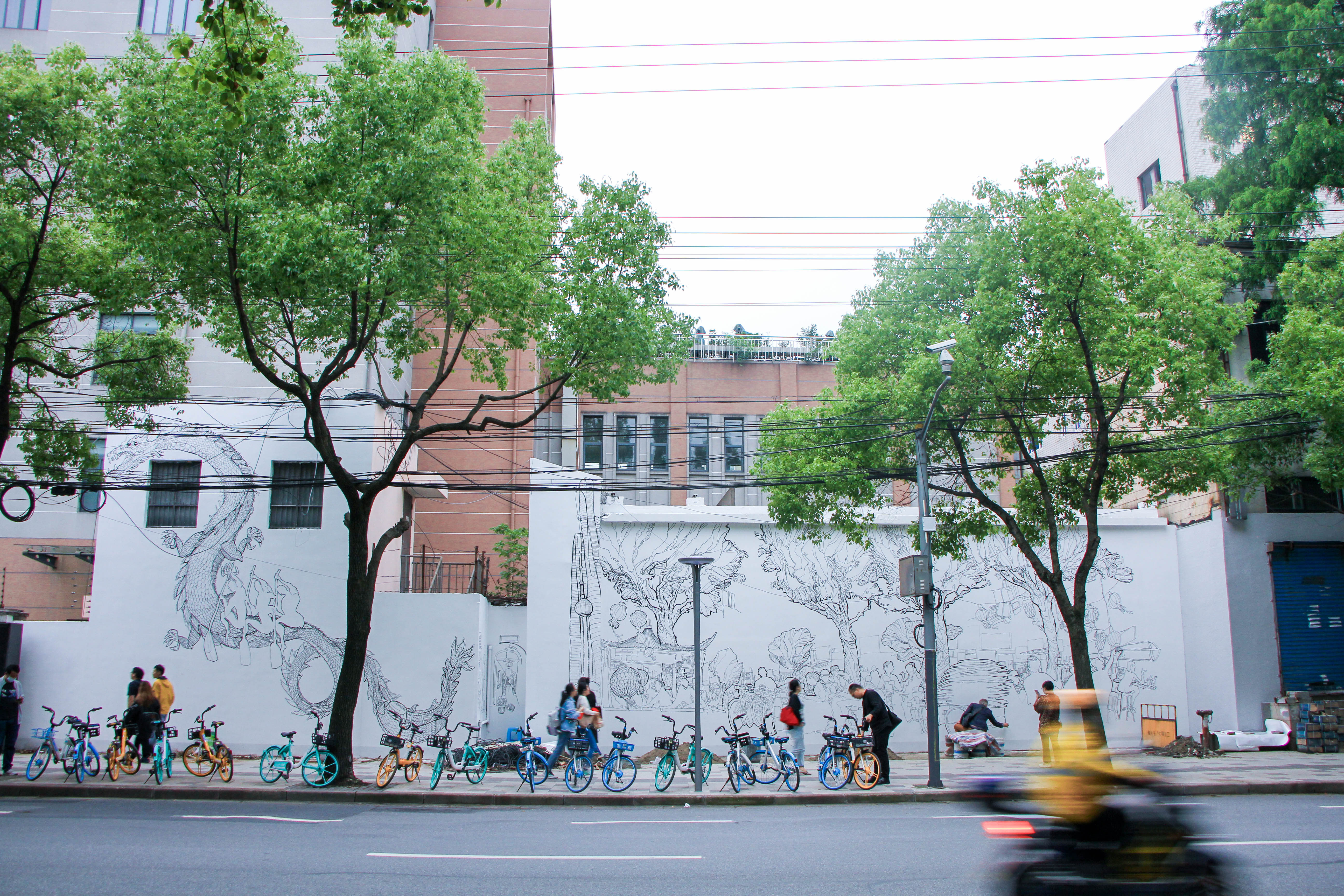
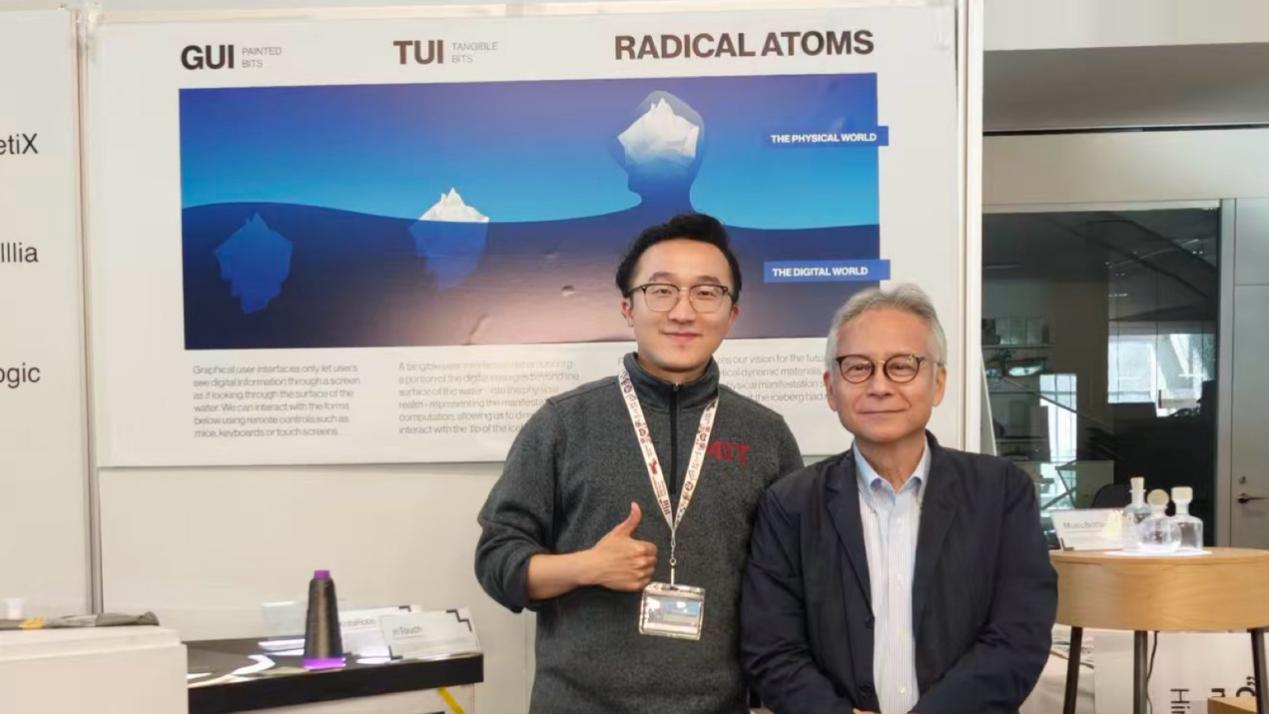
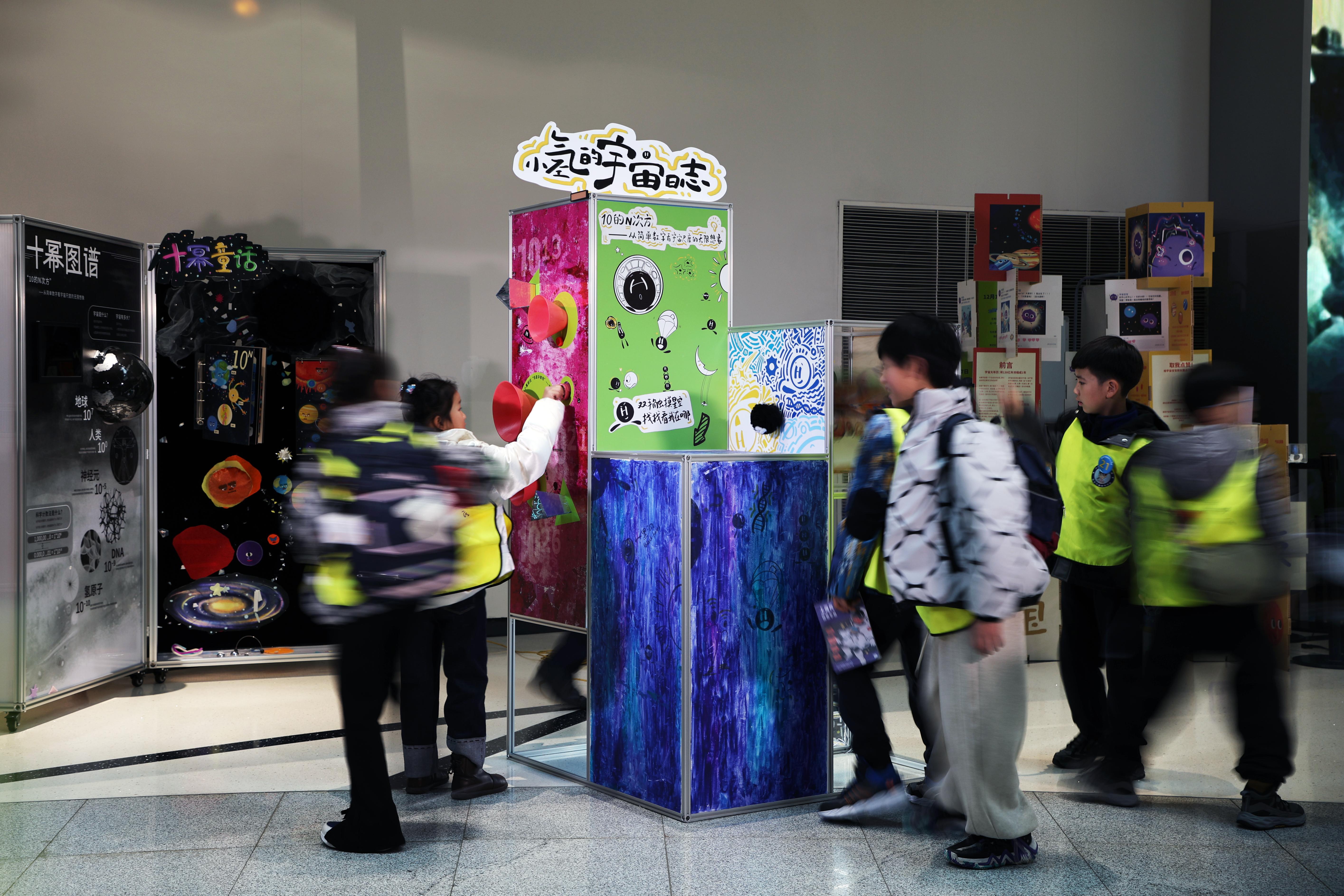
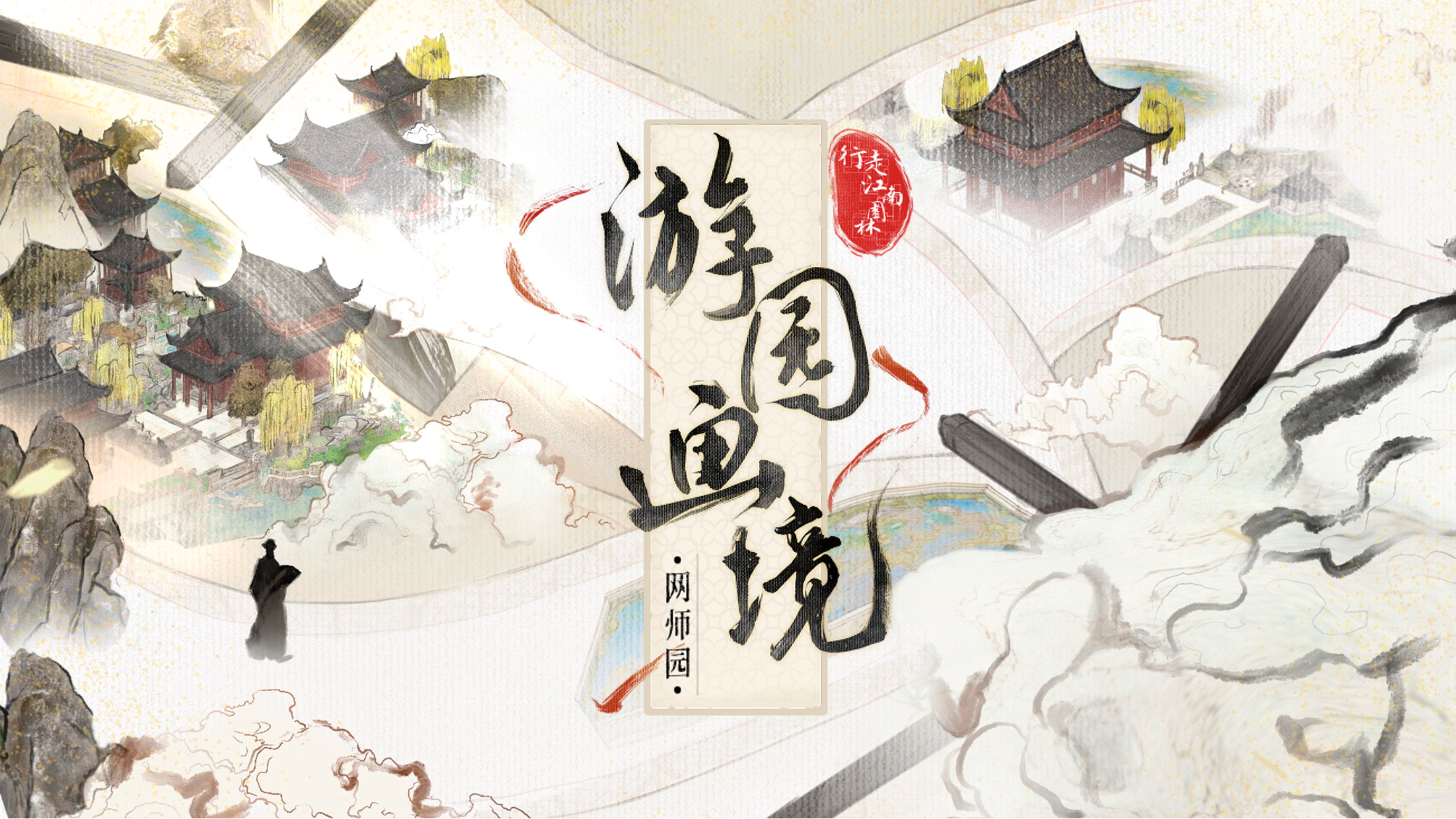
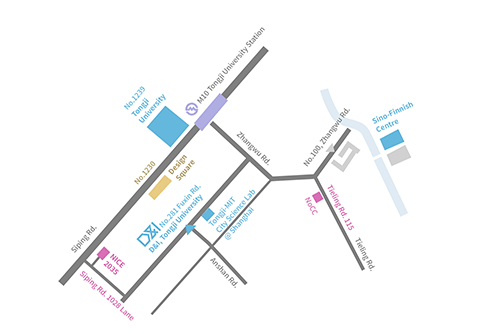
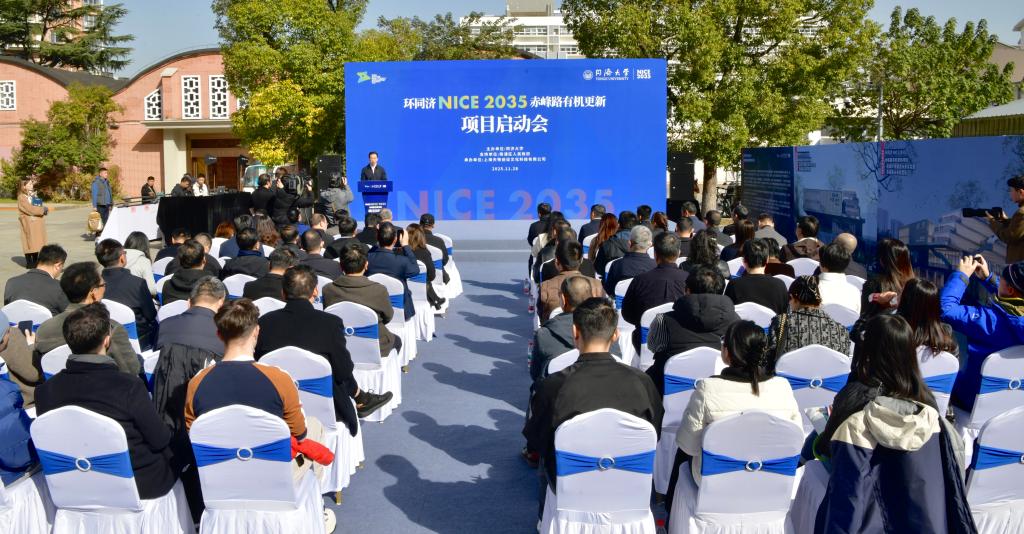
Chifeng Road, adjacent to the Tongji Siping Road campus, is set for a major transformation. On November 28, the launch ceremony of the NICE 2035 Chifeng Road Urban Regeneration Project was held, marking the start of a joint effort between Tongji and the Yangpu District to build a future-oriented innovation zone. The project aims to integrate prototype innovation, creative design, AI applications, IP incubation, and community life, forming a deeply interconnected ecosystem linking the university campus, the science and technology park, and the surrounding public community. As a model for future urban living, the first phase is scheduled to partially open to the public in May next year, coinciding with the 119th anniversary of Tongji University.
NICE 2035 stands for Neighborhood of Innovation, Creativity and Entrepreneurship towards 2035, envisioning an innovation-driven community for the future.
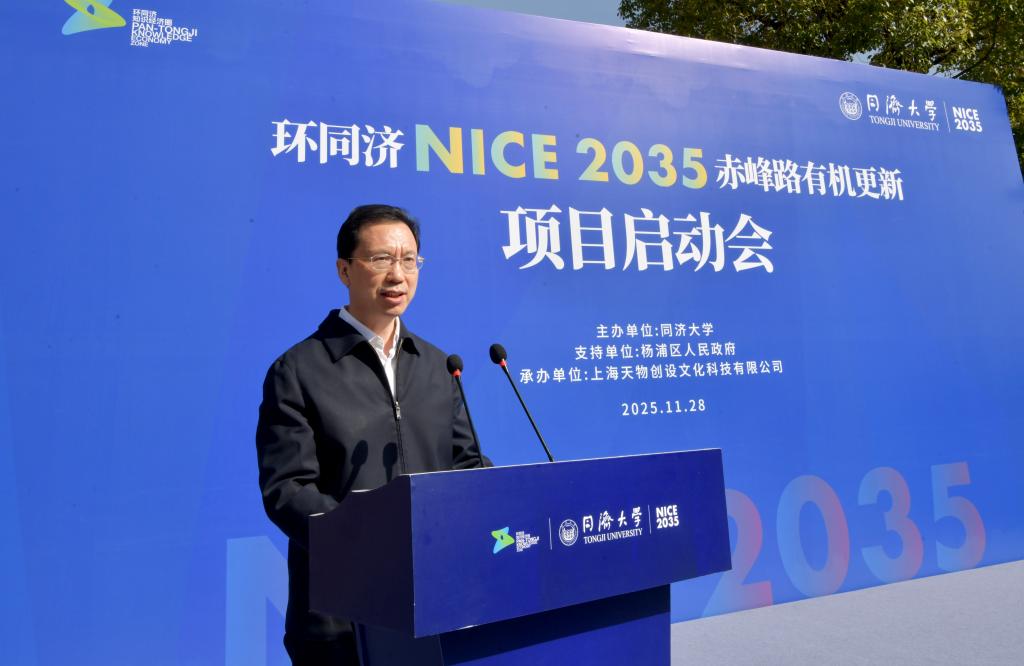
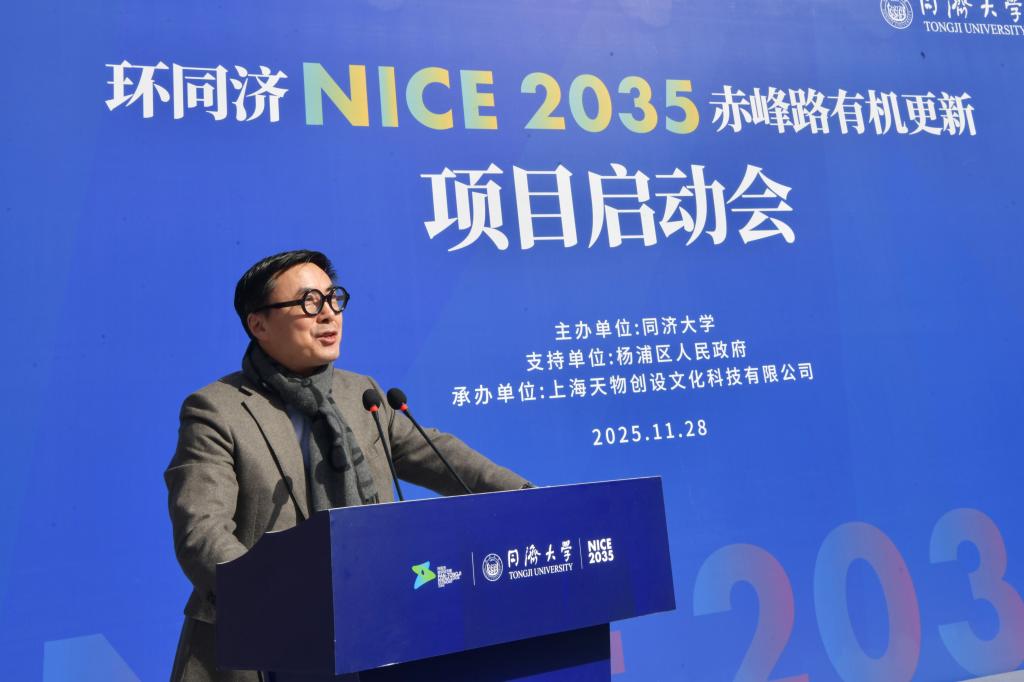
ZHENG Qinghua, Secretary of the CPC Tongji University Committee and Member of the Chinese Academy of Engineering, attended the launch ceremony and delivered remarks. He noted that the NICE2035 Chifeng Road project represents another concrete step by the district and the university to implement the principles of a “people-centered city” and advance Shanghai’s urban renewal initiatives. He emphasized that the project goes beyond physical upgrades—it is a forward-looking experiment in integrating university education, science and technology, design, and high-quality community life. ZHENG expressed hopes that both sides would work together to shape the zone into a vibrant, livable, innovative, and visitor-friendly model community, provide a real-world environment for student innovation and entrepreneurship, and build a magnet for top global talent and high-quality resources, injecting new momentum into the “Knowledge Economy Circle around Tongji”.
LOU Yongqi, leader of Tongji’s design discipline, presented the project’s vision and master plan. He stated that the project aims to turn the Chifeng Road area—the origin of the “Knowledge Economy Circle around Tongji”—into a living laboratory for 2035. It will showcase the latest academic advances, bridge the “last mile” of technology transfer, and explore an open, shared, and collaborative model of an innovation community through co-creation, crowdsourcing, and community-based initiatives.
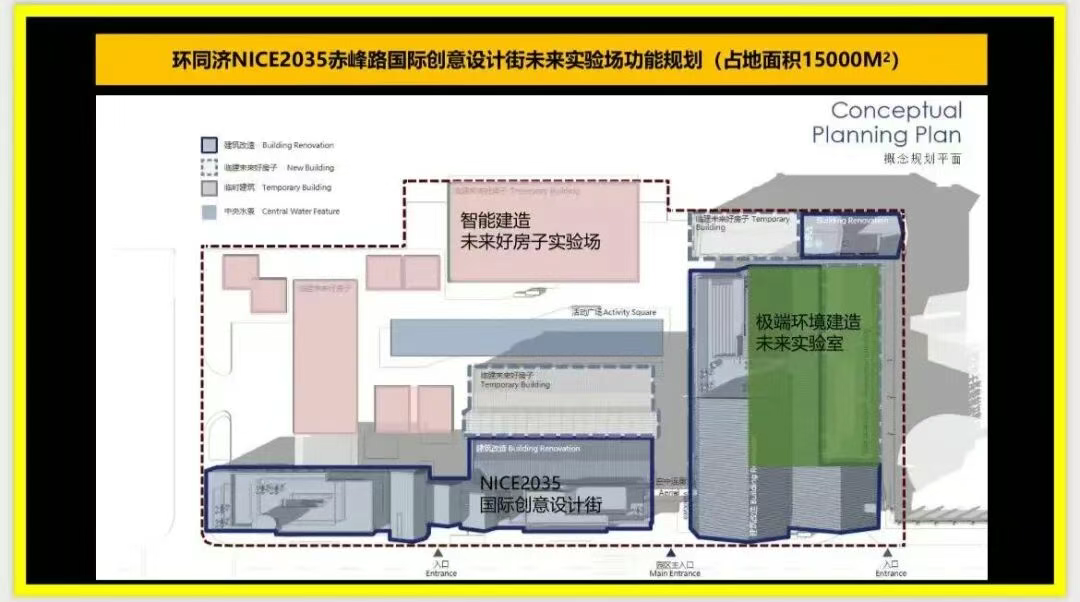
The College of Civil Engineering introduced the Future Lab for Extreme-Environment Construction, a core component of the project. Leveraging the university’s multidisciplinary strengths, the lab will focus on frontier technologies such as low-carbon design, intelligent construction, and resilient systems across extreme scenarios—plateaus, polar regions, and extraterrestrial environments—promoting research and real-world applications of extreme-environment construction.
Taking part in this project, Shanghai Tianwu Innovation and Design Cultural & Technology Co., Ltd. released the project’s implementation concept. The team will build the Chifeng Road pilot zone into the engine and showcase window of NICE2035 through a model of district–university cooperation, social participation, community symbiosis, and industrial integration.
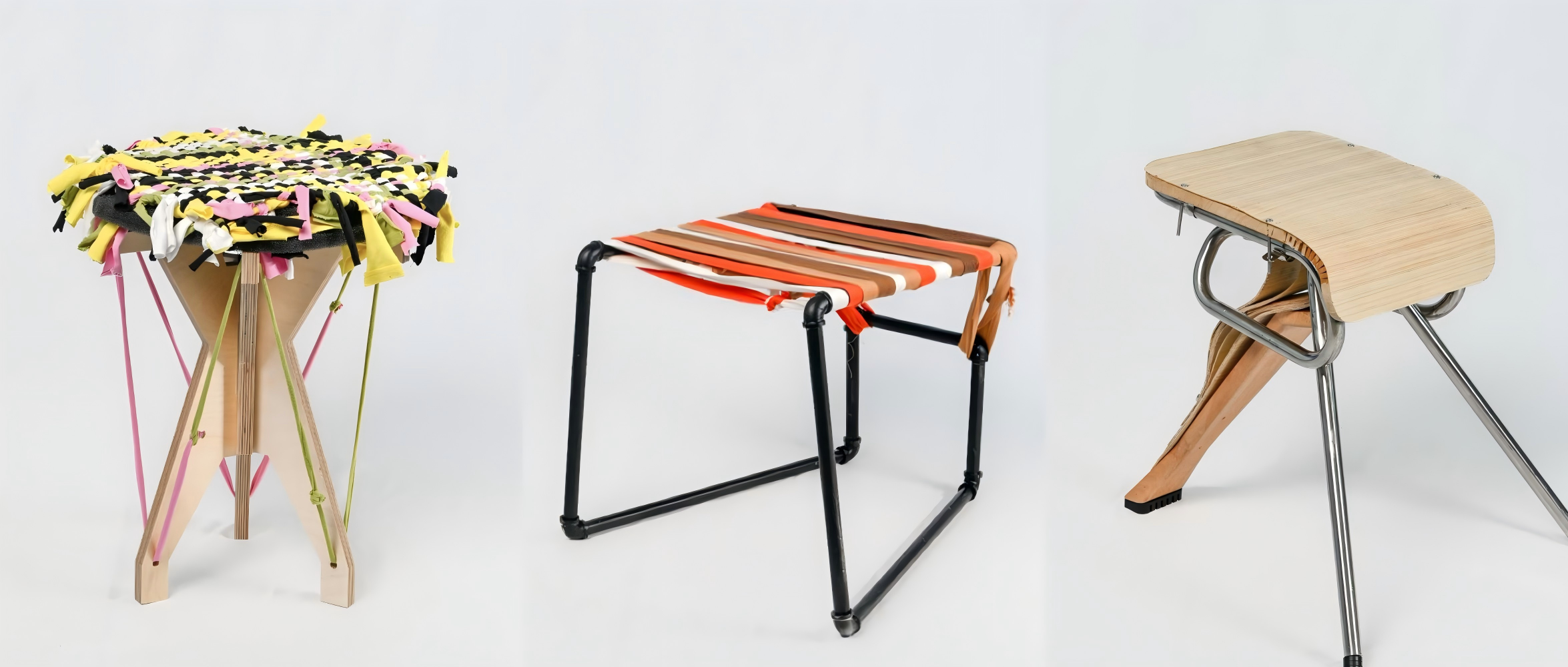
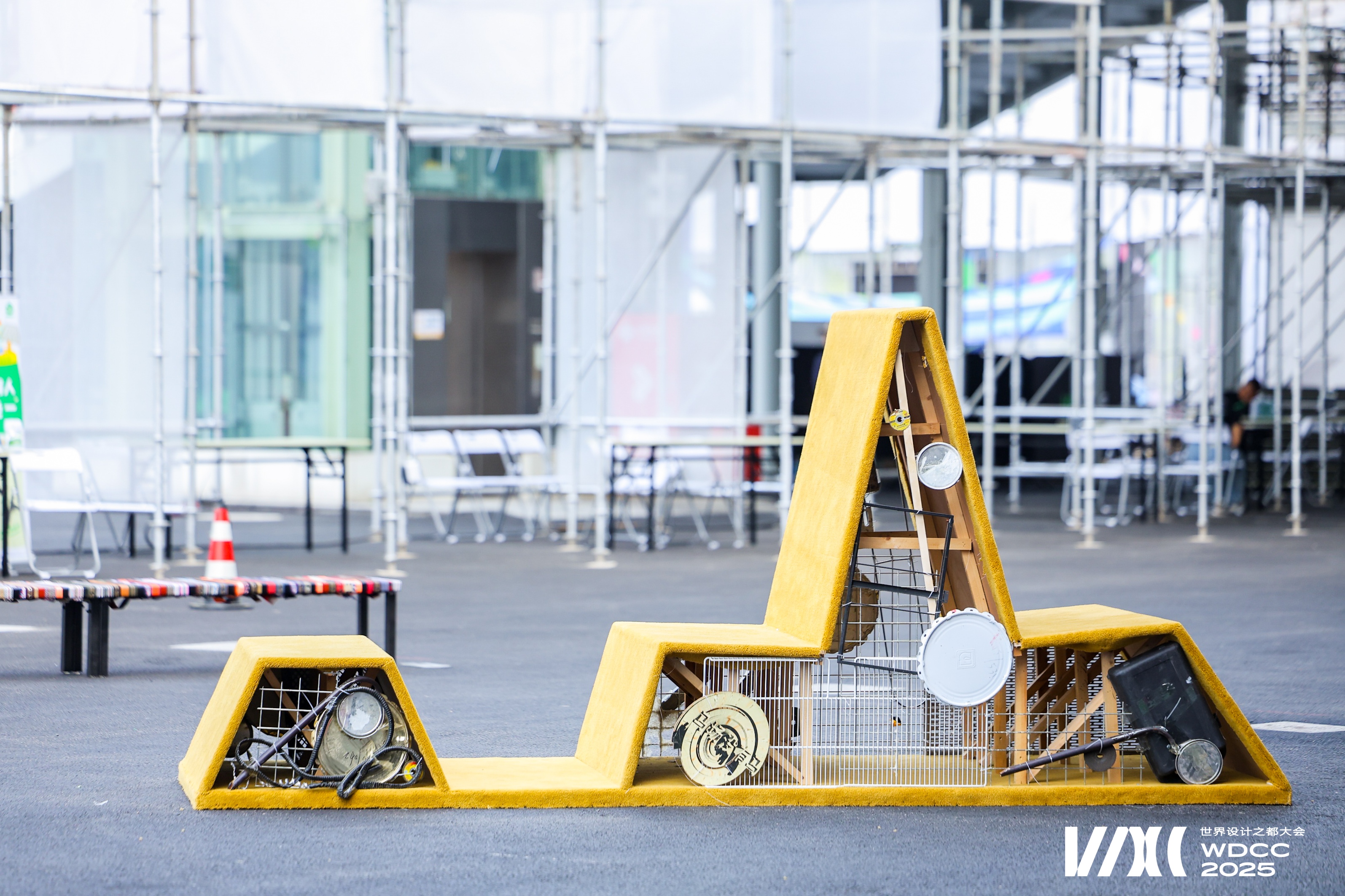
The future experimental zone of the NICE2035 Chifeng Road Urban Regeneration Project comprises three major components: the Future Lab for Extreme-Environment Construction, the Future Housing Lab for Intelligent Construction, and the Chifeng Road Prototype Street. The Future Lab for Extreme-Environment Construction will focus on architectural design and construction technologies under extreme conditions, positioning Chifeng Road as a showcase and incubation hub for frontier innovations. The Future Housing Lab for Intelligent Construction will invite design teams from China and abroad to jointly develop model demonstrations of “good houses, good blocks, good communities, and good districts”. Meanwhile, the Chifeng Road Prototype Street will center on prototype-driven innovation, serving as a new engine and generator for creativity within the “Tongji Knowledge Economy Circle”.
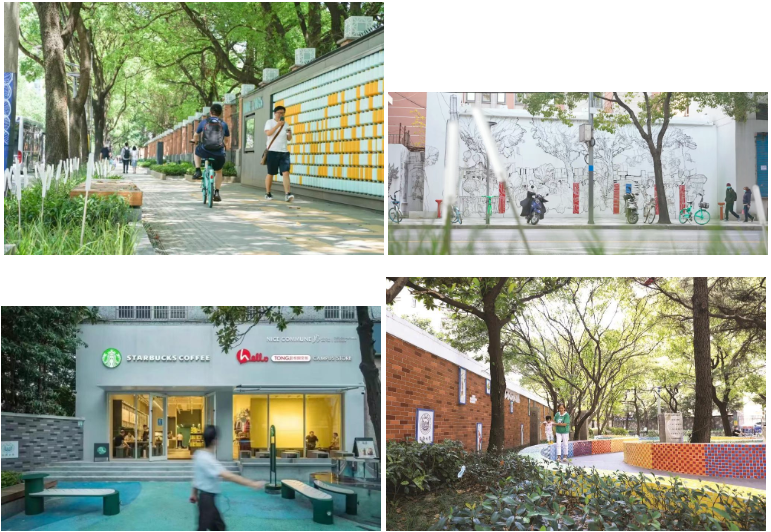
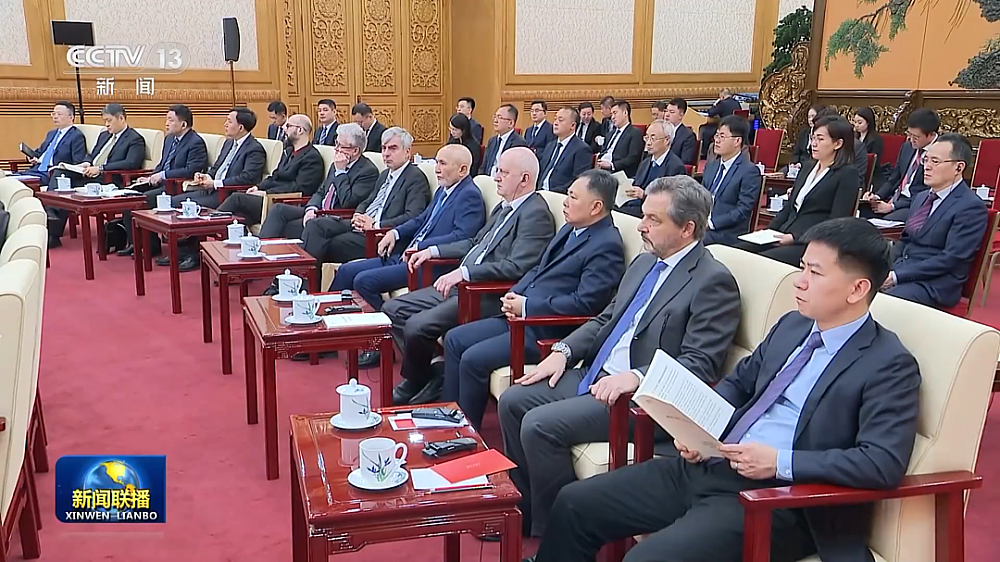
After the launch ceremony, Tongji and the Yangpu District held a meeting to further deepen district–university cooperation and discuss the implementation of their next round of strategic collaboration.
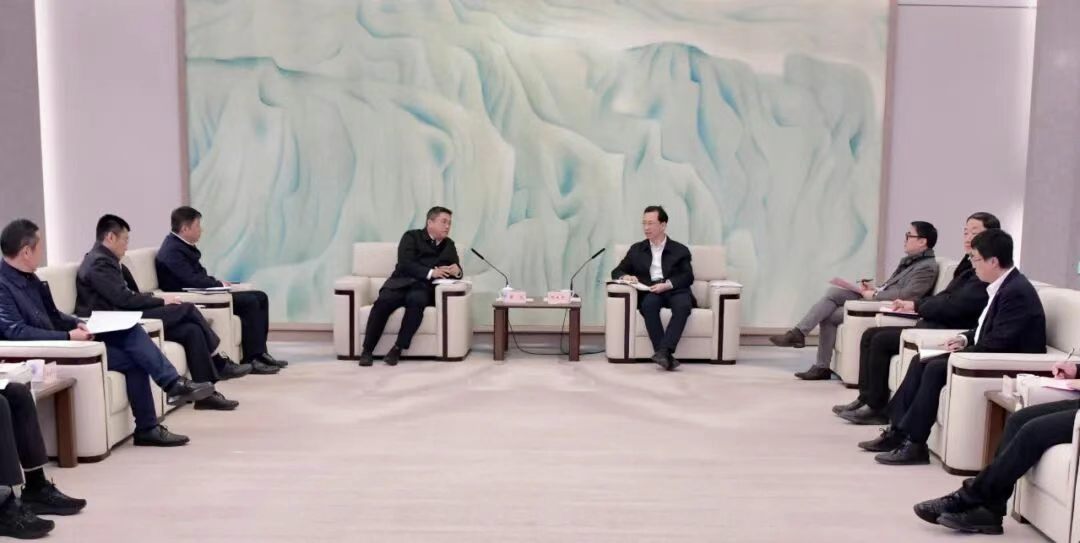
Both sides agreed that the launch of the Chifeng Road regeneration project marks a landmark initiative for advancing the coordinated development of the “Three Good Areas” (good blocks, good communities, and good districts). The district and the university will jointly promote the project, contributing to the continued iteration of the Circle. With the “15th Five-Year Plan” approaching, both sides hope to build on their existing achievements, enhance strategic alignment, and deliver more exemplary and leading outcomes. Together, they aim to support Shanghai’s efforts to strengthen its “Five Centers” (respectively International Economic, Financial, Trade, Shipping, and S&T Innovation Centers) and accelerate the city’s rise as a globally influential hub for scientific and technological innovation.