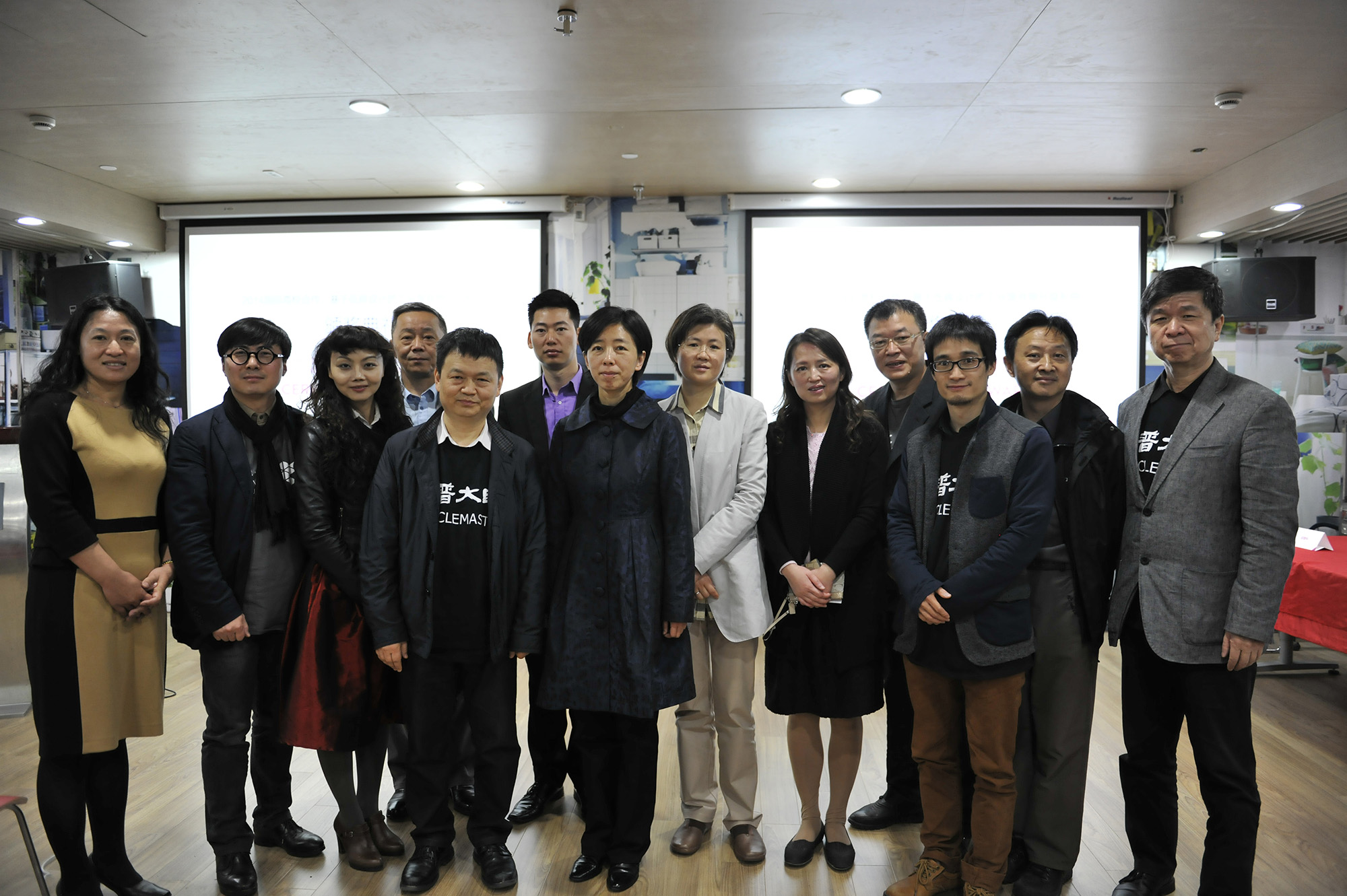
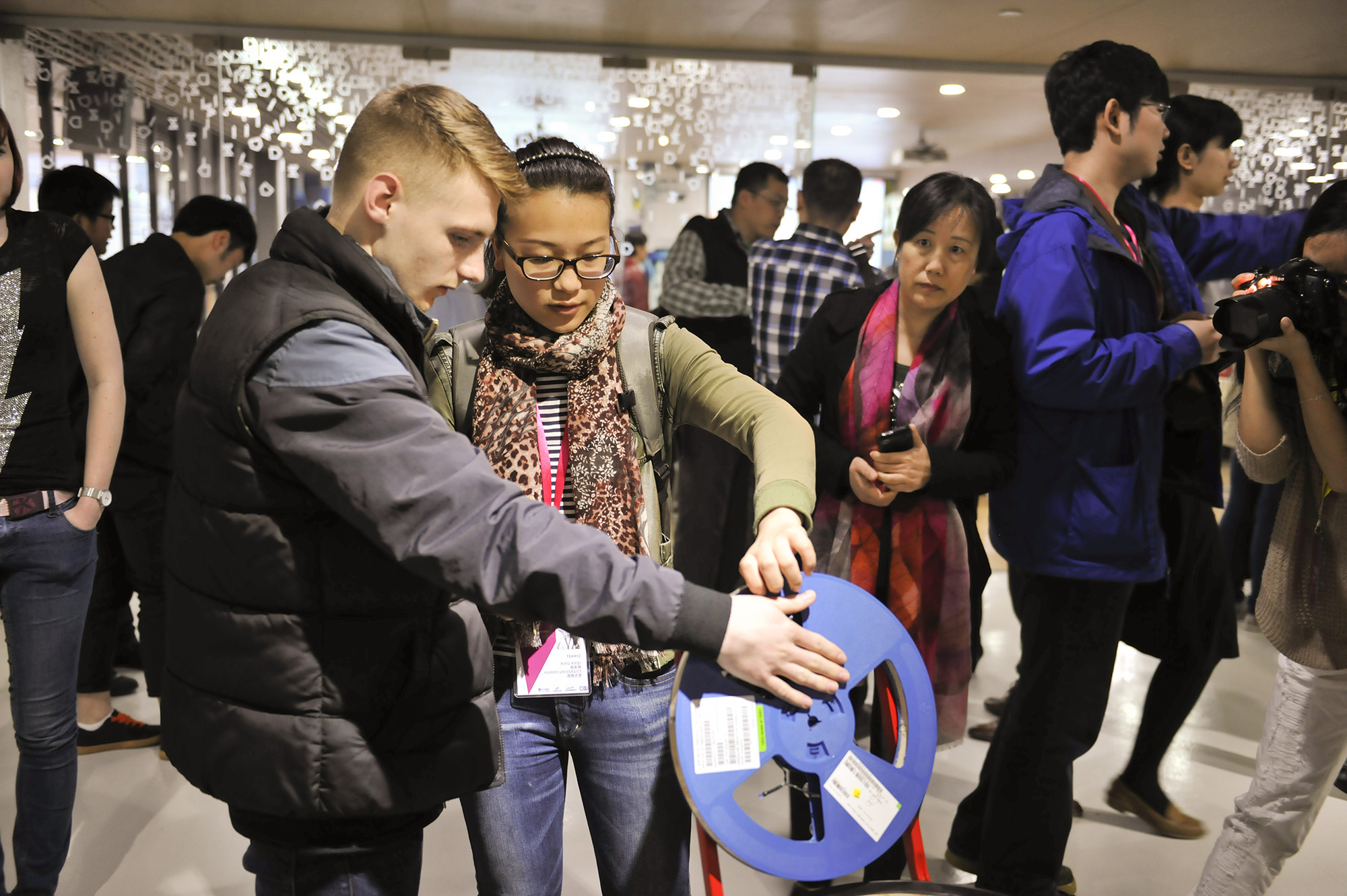
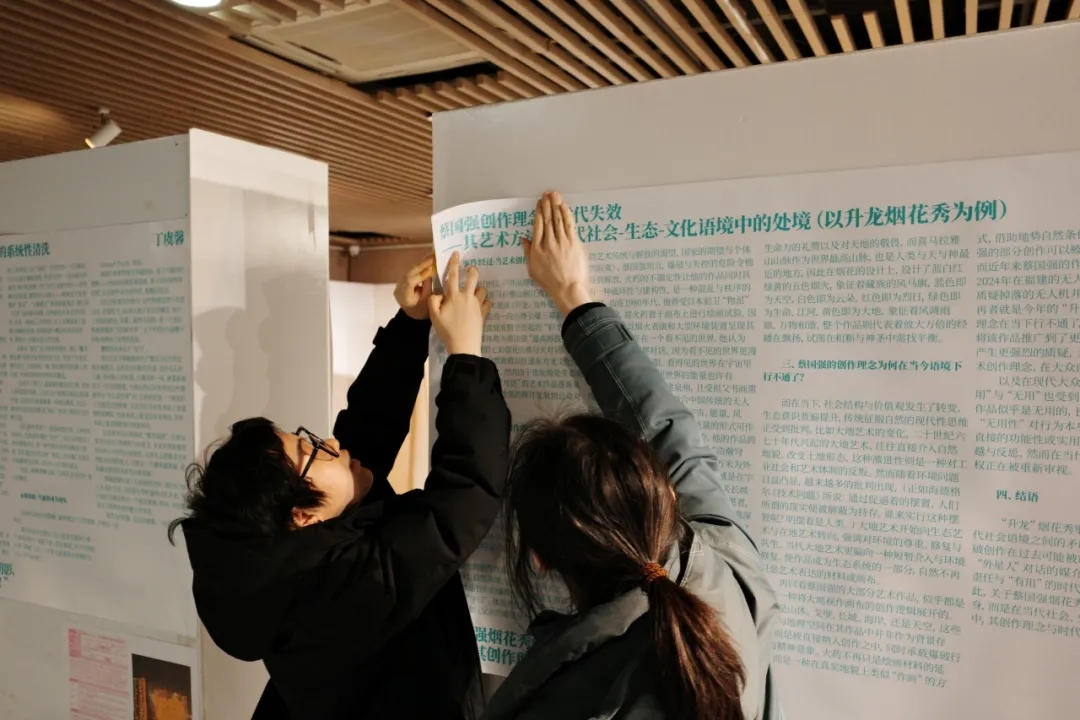
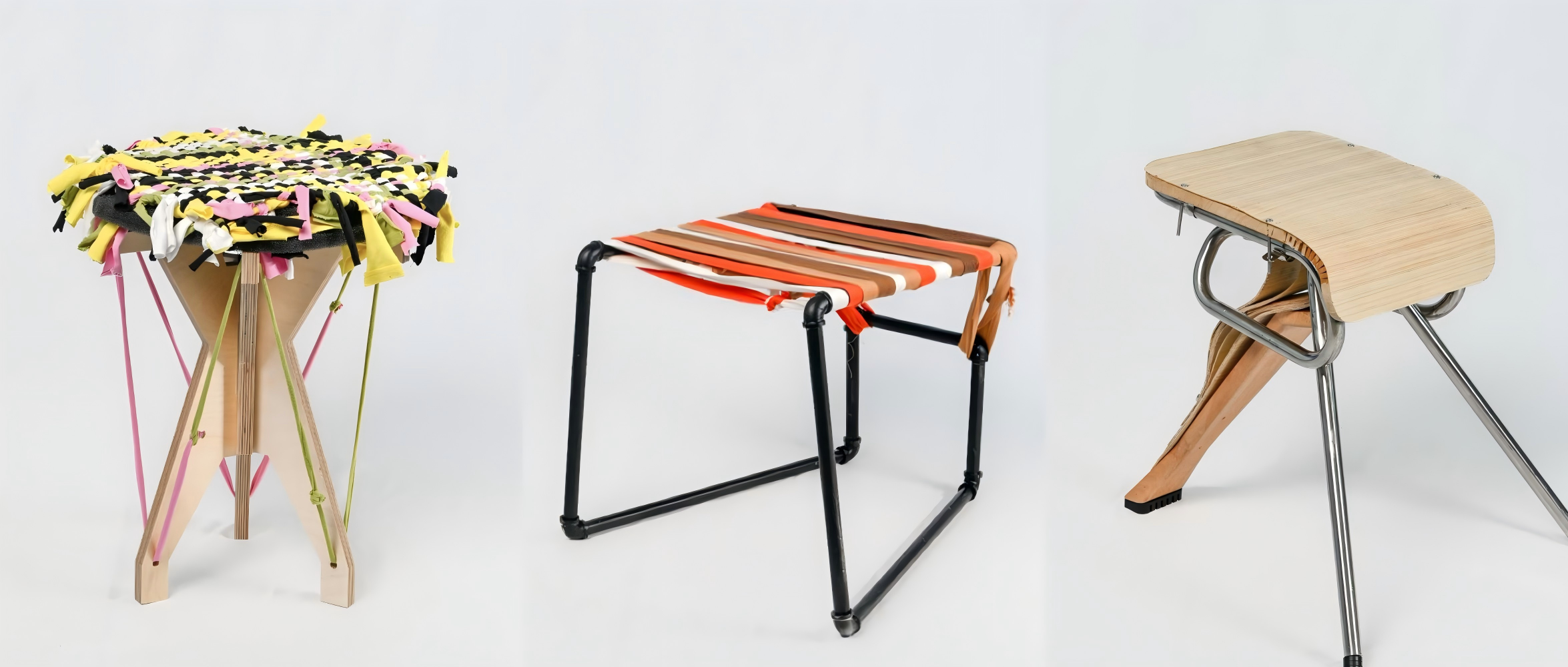
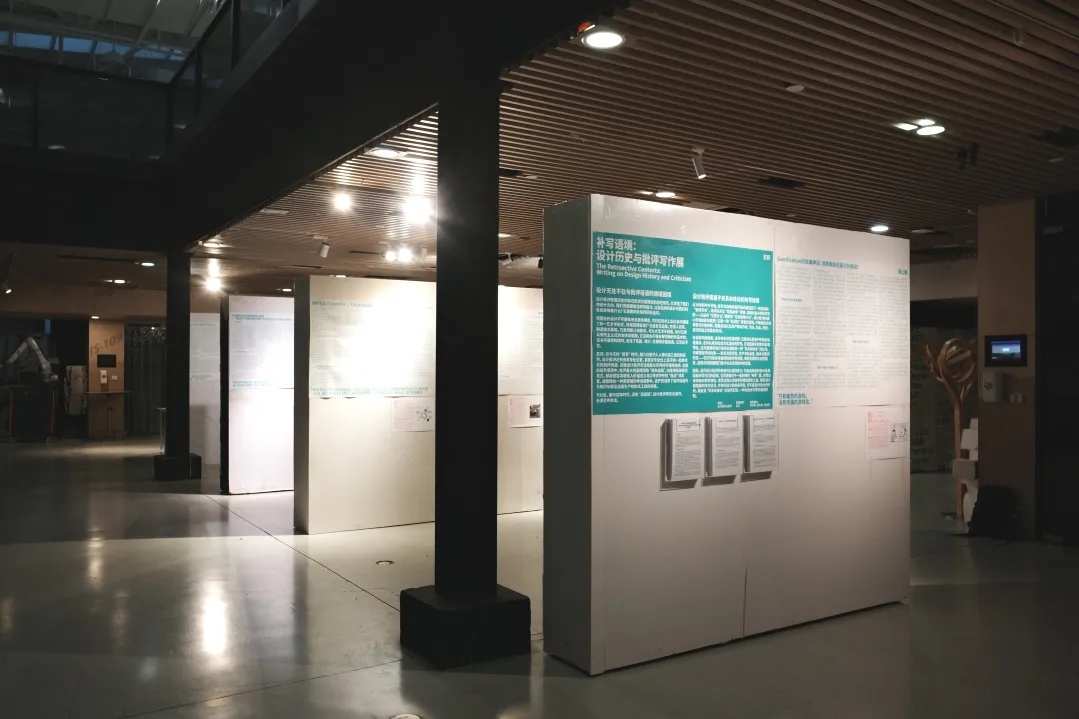
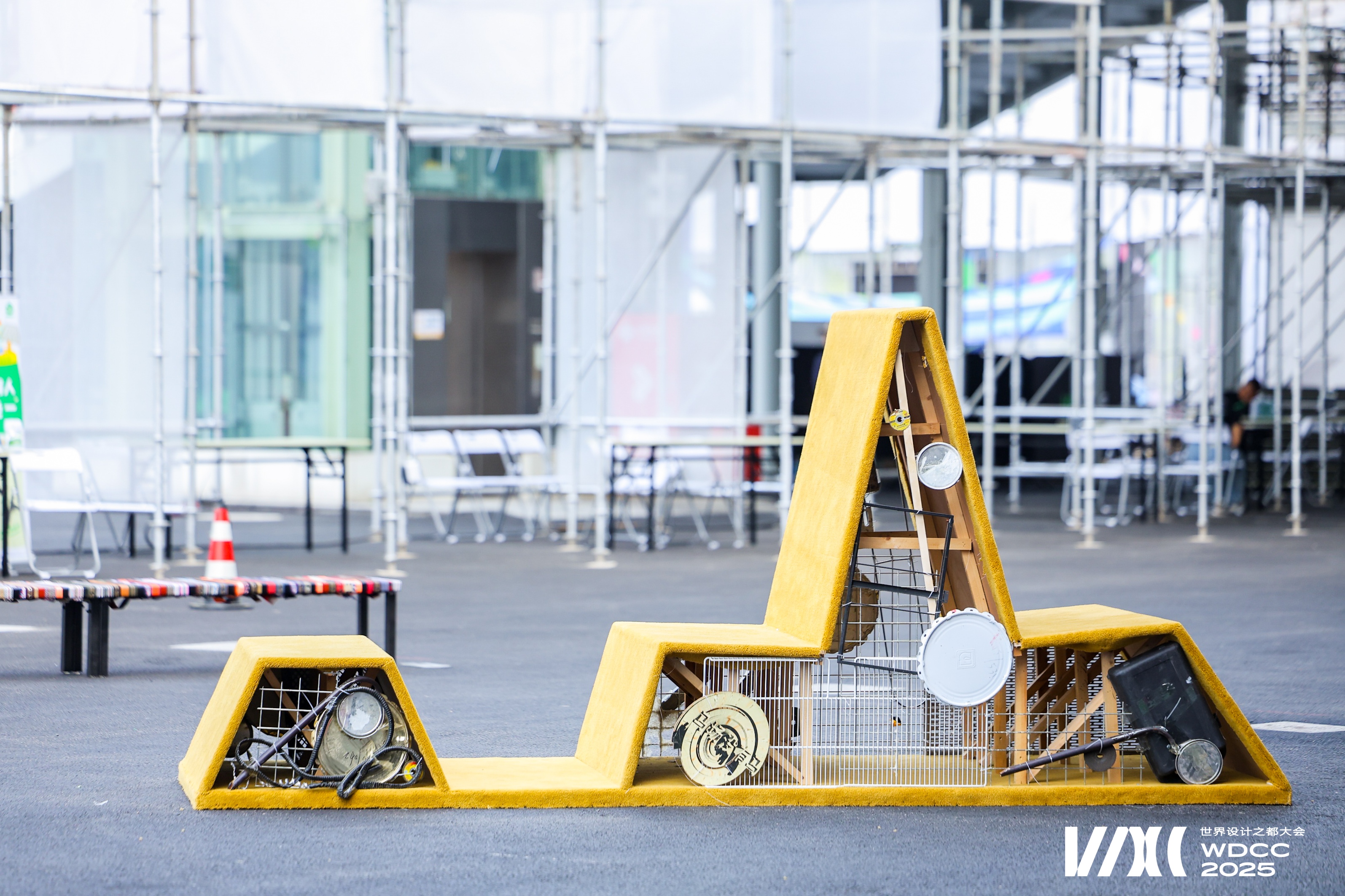
The ten-day Sino-UK Joint workshop on “upcycling” was successfully wrapped up in the College of Design and Innovation, Tongji University. The students’ 13 creative and low carbon design works of the joint workshop , such as the cattery for feral cats, the recovery package for pet waste, the planting system on the balcony fertilized by waste from the kitchen, and all sorts of lamps and lanterns, have been exhibited in the college of Design and Innovation, Tongji University since this week. The workshop attracted 41 students and teachers from 12 design schools both from UK and China.
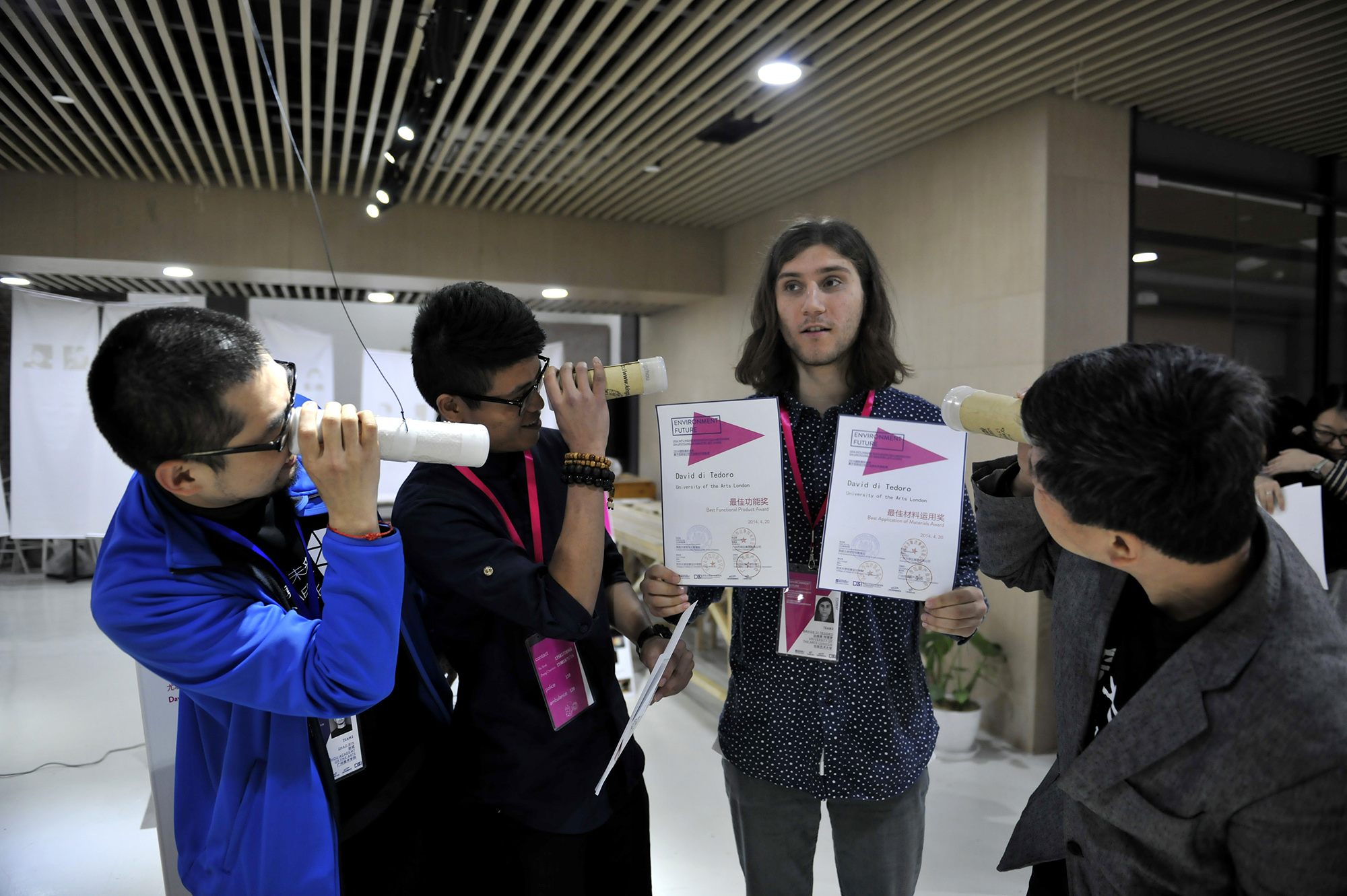
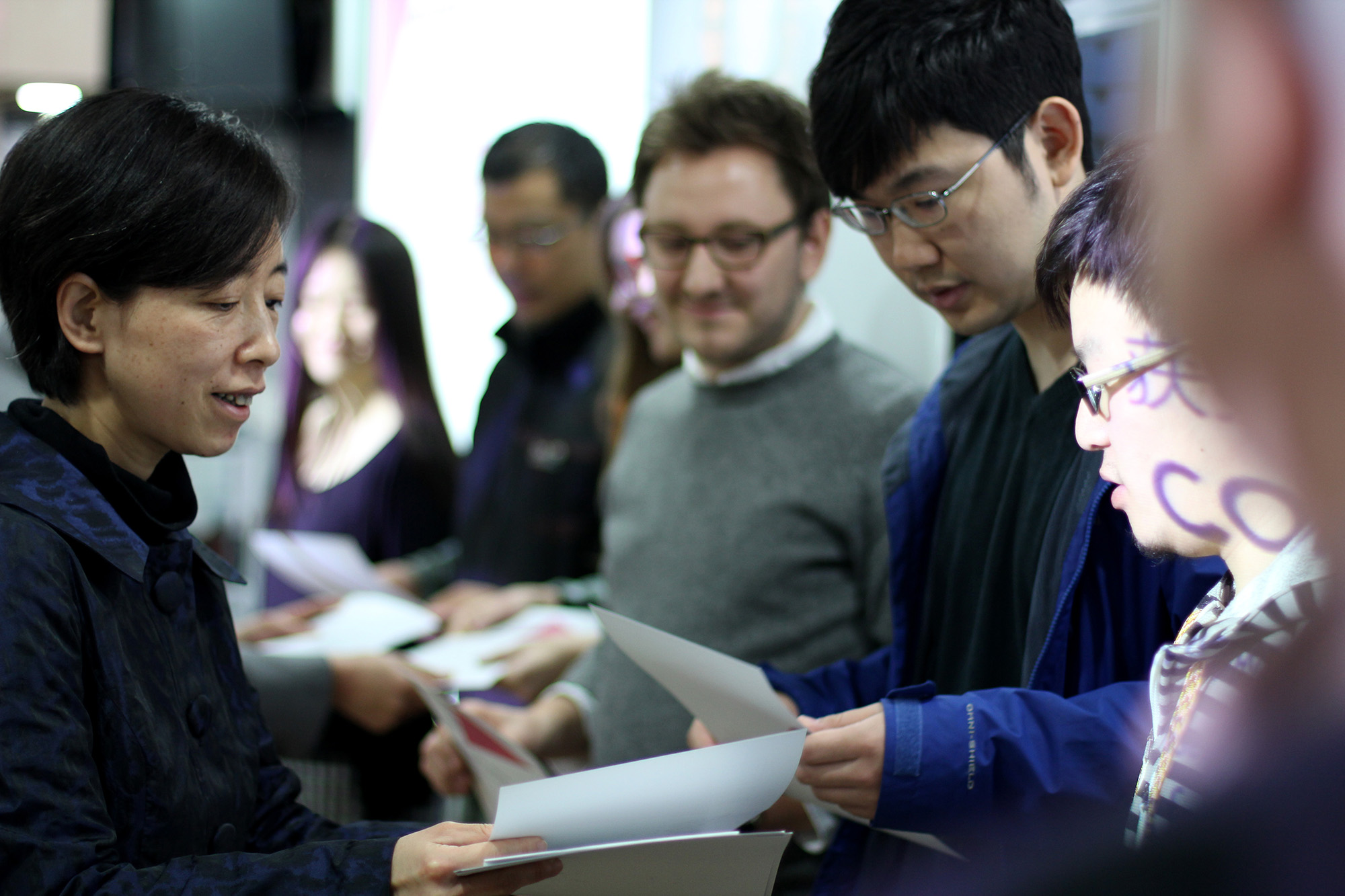
9 types of awards, including Best Commercialized Award,Best INNOVATION Award,Best Team Cooperation Award,Best Promotion Award,Best Function Award,Best Application of Materials Award,Best Cost Effective Award, Best Environment Friendly Award, Best Community Design Award and Best Commercialized Award. were delived to to the 13 design teams by the jury committee. The students design were evaluated on originality, the utilization of the waste, the appearance, the adaptability for mass-production and the team work spirit. Prof.MA Jinming, Vice President of Tongji University, was invited to attend the awarding ceremony.
Five colleges and universities in UK including Lincoln University and Central Saint Martins College of Art and Design, and seven in China including the College of Design and Innovation of Tongji University , Central Academy of Fine Arts and China Academy of Art, participated in this joint workshop and the participants were mixed and rearranged into 13 new teams.
It’s the industrial leftovers such as PVC and rubber, waste from trade exhibitions, the organic glass cabinet, and the leftovers from the community residents that were turned into a series of Low-Carbon works of art after they were cut and assembled by these students. The designs are not only full of innovation, but also are very useful in daily life.
One of these design “Recycling Bin for pets’ waste”, winning “The best design of community “and “The best environmental protection”,was designed by Long Keyu from Tongji University and Emily Holdich from Loughborough University. The team used PVC strips, bottle tops, plastic display stands, old community clothing, electrical wire from community waste electronics, “When the team was doing field research in the community, we found there are lack of special bins for the pets’ waste”, LONG said, “this design would make it convenient to sort this kind of waste, prevent the infection and make it possible to recycle it as the fertilization for the public lawn in communities”.
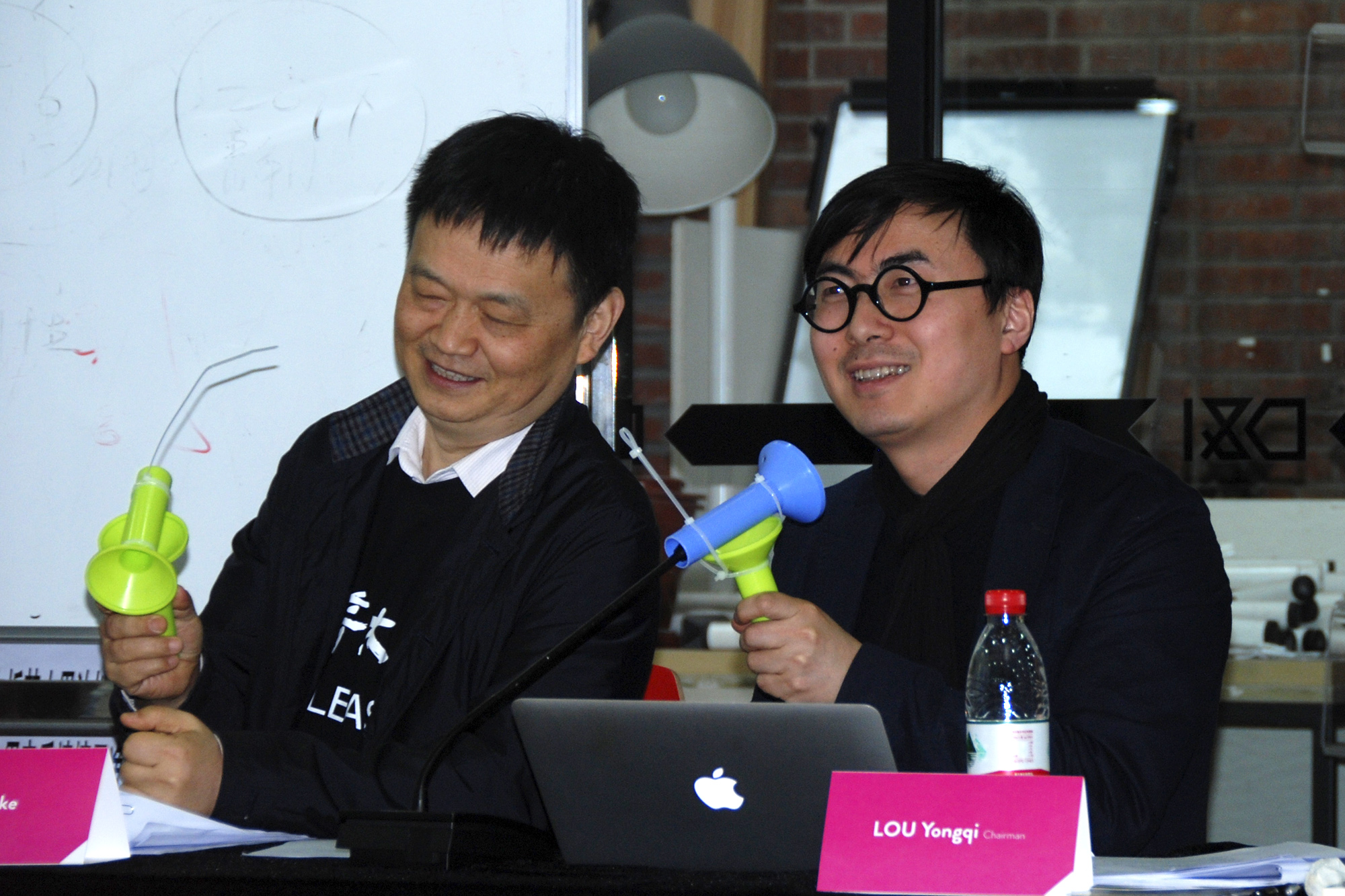
“The highlight of the design workshop this year was the cooperation with local Liangcheng community”,said LOU Yongqi, Dean of the College of Design and Innovation, Tongji University, as well as the chairman of the jury committee, “the involvement of local community not only provide a true context for the stduents’design and Innovation, but also keep the residents of Liangcheng community as one of the most important participants during the whole workshop. I believe this model set up a good example to promote the development of the “recovery economy”which is focusing on dealing with waste and leftovers.
The design workshop was co-organized by British council, the College of Design and Innovation Tongji University, Guangzhou Low Carbon Industry Association and Guangzhou Wanlvda Company. The exhibition of all the design works will last until May 15th in the college of Design and Innovation of Tongji University.